

Transform Your Home in Smart, Manageable Stages

Today we dive into phased remodeling—staging home upgrades over time to save money, reduce stress, and keep your household running. You’ll learn how to sequence projects intelligently, budget with confidence, and make decisions that avoid rework. Real stories, practical checklists, and expert tactics will help you move from wish list to steady progress without unexpected costs. Stay to the end for planning prompts and a friendly invitation to share your milestones.

Start with a Strategy, Not a Sledgehammer

List safety repairs first—leaks, electrical hazards, structural concerns—then align improvements with how you actually live. Identify hard constraints like HOA rules, available cash, and work-from-home needs. Rank rooms by daily impact and resale influence. Clear priorities prevent scattered spending, keeping early phases laser focused and funding later wins without debt spirals or avoidable compromises.
Sequence work to eliminate rework: fix roof and envelope before interior finishes, upgrade electrical service before adding an induction range or EV charger, and complete rough plumbing and wiring before insulation and drywall. Group noisy, dusty tasks together. This choreography shortens downtime, protects materials, and saves labor by avoiding tear-outs of freshly completed work.
Draft a single-page master plan detailing phases, scopes, budget ranges, and decision deadlines. Expect updates after bids, surprises, or life shifts. Keep drawings, specs, and receipts in a shared folder for quick handoffs. A living plan anchors intentions while remaining adaptable, ensuring each phase aligns with the destination even when detours appear.

Numbers That Protect Your Wallet

Smart staging turns big dreams into manageable, cost-aware steps. We’ll build a layered budget with contingencies, compare funding options, and track total cost of ownership so early choices do not punish later work. With transparent estimates, you can pace spending, capture incentives, and prevent scope creep while still celebrating meaningful progress every quarter.

Build a Multi-Phase Budget With Contingencies

Create cost ranges for each phase, add 10–20 percent contingency, and separate allowances for finishes you might upgrade later. Include permits, delivery fees, and tool rentals. When surprises hit, you adjust scope without stalling momentum. Budgets that breathe keep projects humane and goals within reach.

Cash Flow and Funding Options Over Time

Stagger payments to align with paychecks and seasonal bonuses. Compare HELOCs, cash-out refinancing, and zero-interest promos for materials, reading fine print on variable rates and fees. Explore utility rebates for efficiency upgrades. Balanced cash flow prevents panic decisions and lets you say yes to the right opportunities at the right time.

Timing That Respects Weather, Life, and Inspectors

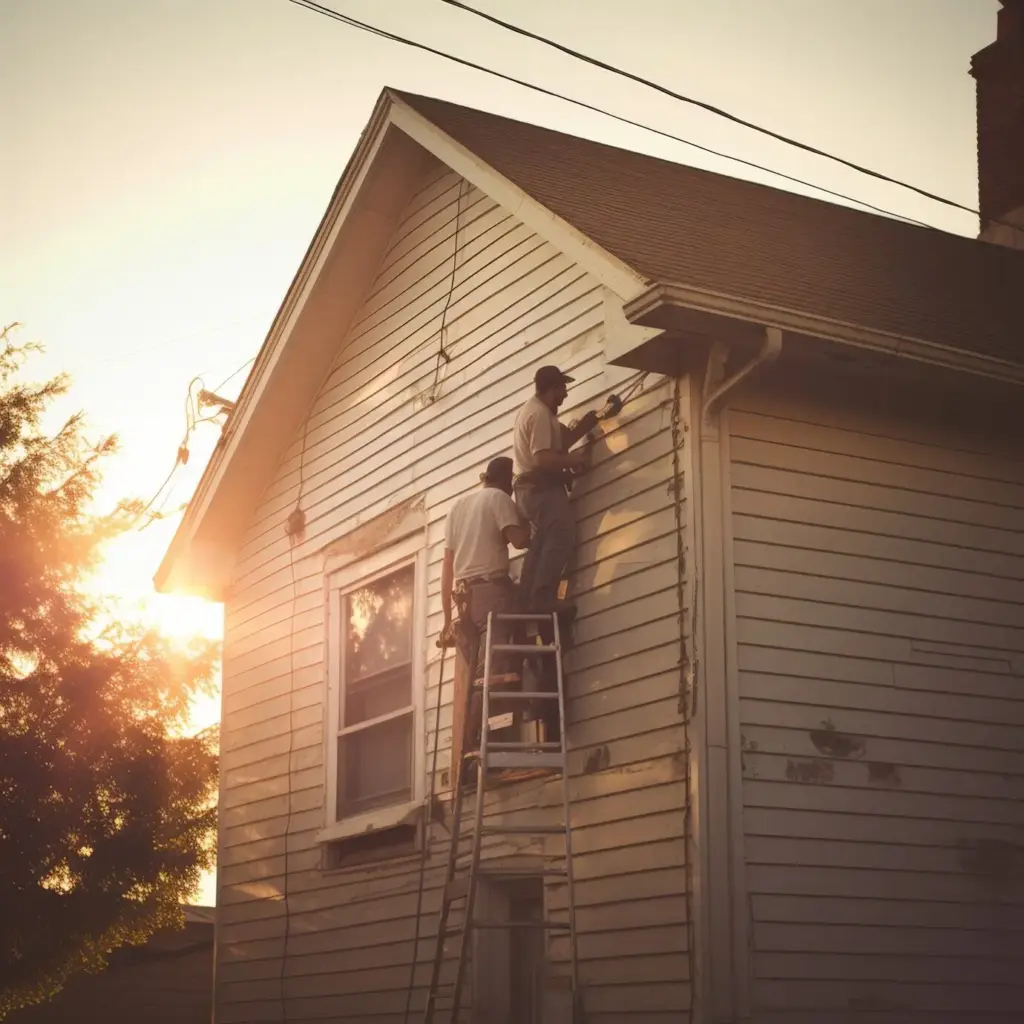
Calendars matter as much as blueprints. By syncing phases with permit timelines, product lead times, and seasonal weather, you reduce downtime and protect finishes. We’ll outline scheduling patterns that minimize dust during school exams, capitalize on shoulder seasons for HVAC work, and keep inspectors, neighbors, and your sanity on your side. When Maya ordered windows early, her exterior painting finished before the first frost, saving a costly delay.

Permits, Lead Times, and Inspections

Submit permits early and ask about partial approvals that unlock preliminary tasks. Order long-lead items—windows, custom cabinets, electrical panels—before demolition. Book inspections with buffer days for rechecks. These moves reduce idle labor, avoid storage damage, and keep each phase marching forward instead of waiting on paperwork or shipments.

Seasonal Windows and Weather Risks

Schedule roofing, exterior paint, and concrete for predictable weather windows. Use humidity and temperature guidelines to ensure adhesives, finishes, and curing times perform. Plan HVAC swaps in spring or fall, when comfort is easier to maintain. Weather-smart phasing preserves warranties and prevents expensive do-overs caused by rushed conditions.

Phase Breaks that Protect Daily Life

Set clear phase boundaries with temporary walls, air scrubbers, and regular cleanup checkpoints. Define work hours that respect naps, meetings, and neighbors. Establish temporary kitchens or showers before you demo. You’ll reduce friction, keep morale high, and avoid the burnout that derails long remodeling journeys.

Build Better by Ordering Smart

Standardize Finishes and Systems Across Phases

Choose product families with long lifecycles for faucets, lighting, and hardware. Keep paint formulas, grout colors, and floor profiles consistent where rooms meet. Note exact model numbers and color codes. Consistency simplifies maintenance, avoids discontinued orphan parts, and makes future rooms feel intentional rather than patched together.

Buy Ahead Strategically

Purchase sale-priced fixtures and bulk materials when storage is safe and warranties allow delayed installation. Label boxes by phase and room. Confirm return windows. Early buys can defeat supply shocks, but only if you verify specs haven’t changed and you protect delicate finishes from damp garages or curious pets.

Reuse, Salvage, and Sell

Deconstruct carefully to save trim, doors, cabinets, and fixtures for later phases or resale. Sell surplus tile, unopened boxes, and appliances locally to recapture cash. Creative reuse reduces landfill waste, adds character, and stretches budgets, especially when you refinish rather than replace sturdy, well-built components.

Right Hands for the Right Tasks

Great phasing blends sweat equity with licensed expertise. Knowing where to DIY and where to hire prevents costly mistakes and keeps permits, warranties, and insurance intact. We’ll outline safe, satisfying do-it-yourself wins, flag high-risk scopes, and share handoff practices that let pros pick up smoothly without undoing your work.

Safe, Skill-Appropriate DIY Wins

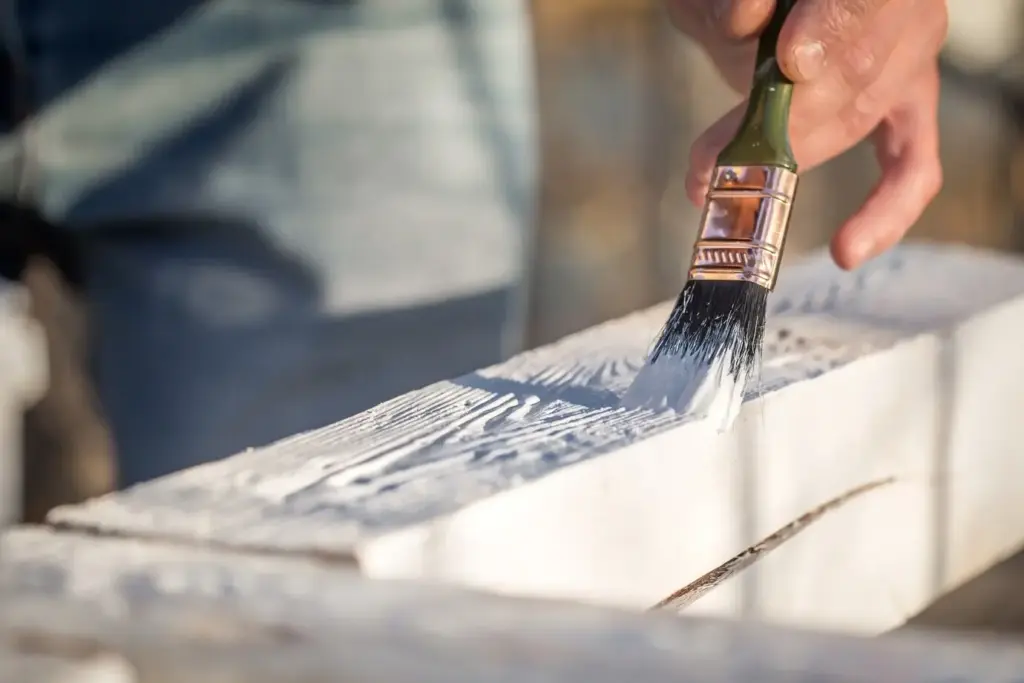
Consider demolition, painting, trim caulking, landscaping, and simple tiling after practice boards. Learn tool safety, dust collection, and layout basics before starting. Weekend efforts shine when scopes are bounded and your tolerance for imperfections is honest. Celebrate savings by reinvesting in better insulation, durable finishes, or an upgraded ventilation fan.

When Licensed Pros Are Non-Negotiable

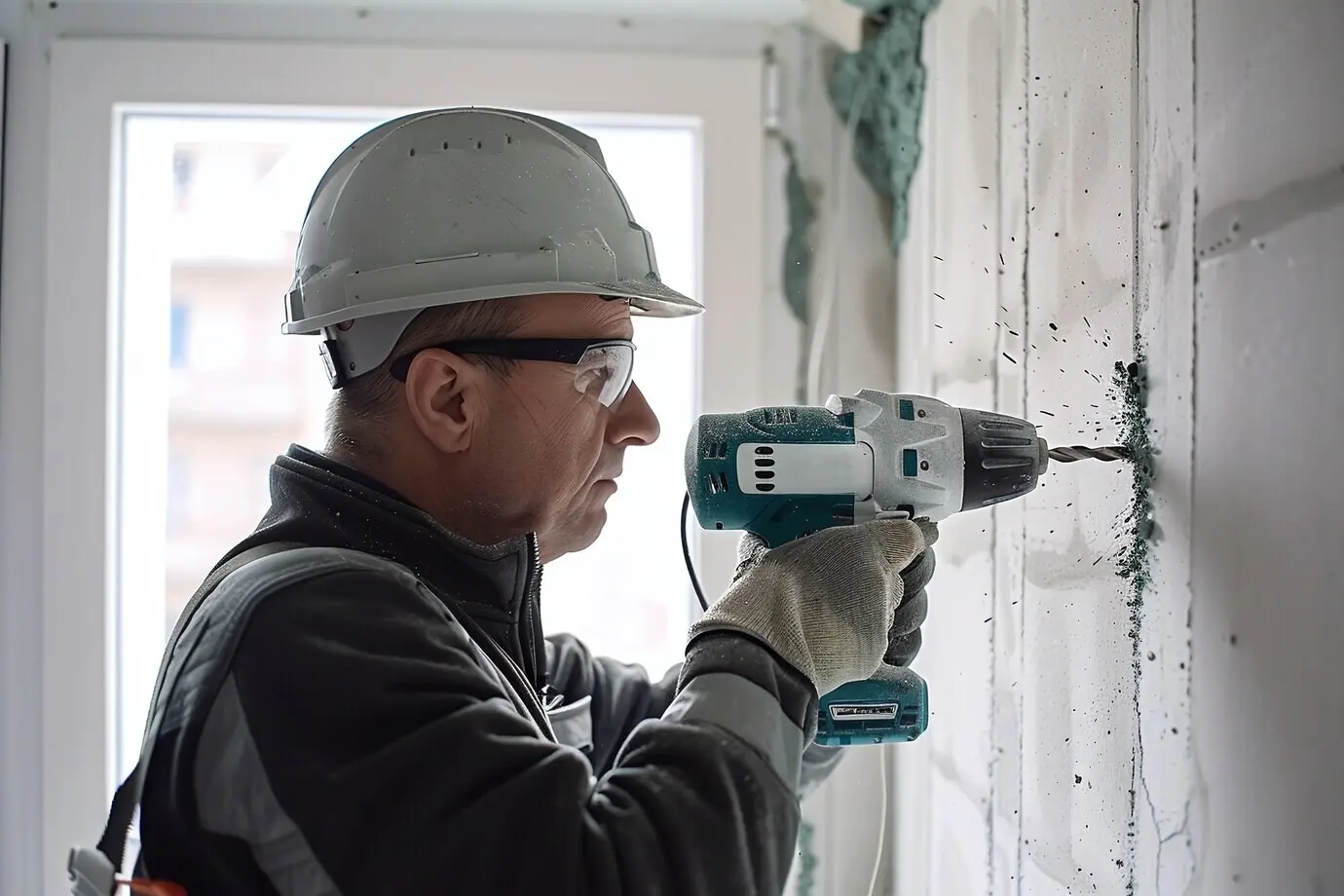
Call licensed electricians, plumbers, and structural contractors for service upgrades, gas lines, load-bearing changes, and code-required waterproofing. Their work protects safety and resale, and it often unlocks rebates or warranties. Ask for scope clarity, inspection sequencing, and photo documentation, so your later DIY steps integrate seamlessly and pass future scrutiny.

Collaboration and Clear Handoffs

Share drawings, measurements, and site photos in a shared folder before each phase. Label circuits, shutoffs, and studs. Walk pros through previous work and future plans. Smooth handoffs reduce finger-pointing, prevent rework, and compress timelines, giving you cleaner results and friendlier relationships with the people helping build your home.

Upgrade Once, Benefit for Years

Phasing lets you tuck long-term value into moments when walls are open or systems are accessible. By prioritizing efficiency, durability, and adaptability, you capture savings that compound. We’ll highlight smart prewiring, insulation, and accessibility moves that make later upgrades cheaper, quieter, and kinder to the planet and your wallet. Subscribe for a printable open-wall checklist and share your discoveries to help fellow renovators.

Open-Wall Opportunities You Only Get Once

While studs are exposed, add insulation, soundproofing, fire blocking, nail plates, backing for future grab bars, and conduit for low-voltage runs. Prewire for Ethernet and future solar monitoring. These hidden upgrades are inexpensive now, priceless later, and they make future technology and accessibility changes plug-and-play instead of invasive.

Energy and Water Efficiency That Pays Back

Bundle attic air sealing, LED lighting, smart thermostats, low-flow fixtures, and a heat pump upgrade within early phases for immediate savings. Capture rebates and tax credits while they last. Lower utility bills help fund later projects, and comfort improvements make the multi-year journey feel rewarding from week one.

Universal Design and Aging-in-Place

Plan wider doorways, curbless showers, lever handles, and layered lighting while layouts are flexible. Add blocking for future railings, ramps, or stair lifts. These choices serve guests, injuries, and aging bodies without compromise, increasing resale appeal and reducing future renovation costs when life inevitably changes.
Ruvifafezupanizupo
Privacy Overview

This website uses cookies so that we can provide you with the best user experience possible. Cookie information is stored in your browser and performs functions such as recognising you when you return to our website and helping our team to understand which sections of the website you find most interesting and useful.